



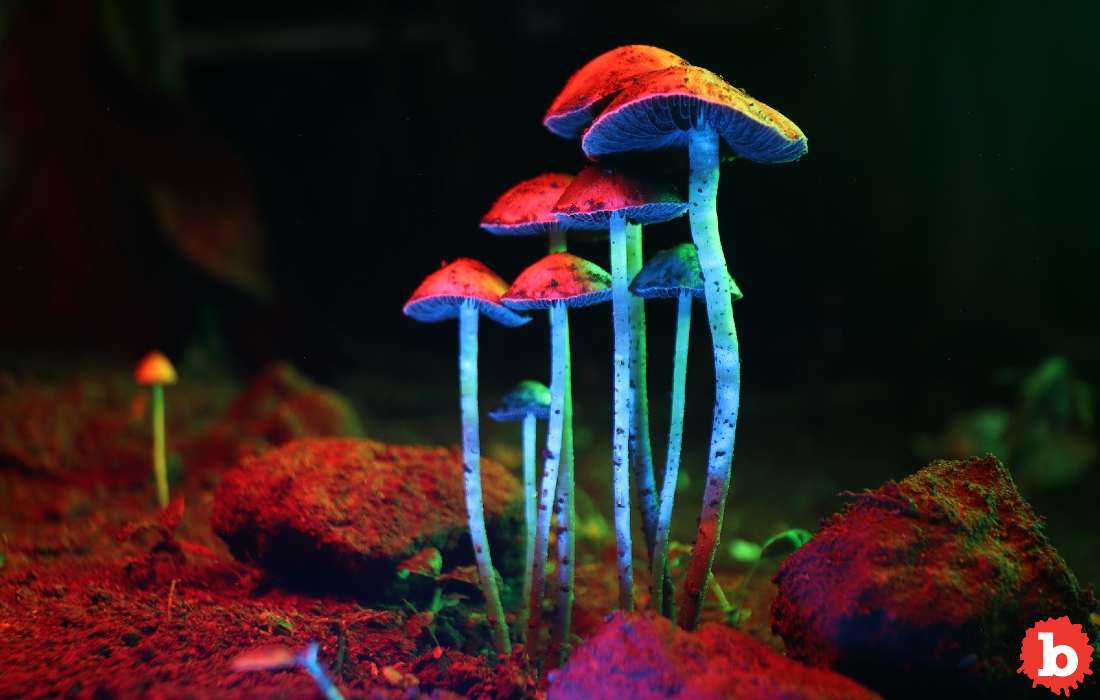
RESEARCHERS FIND THAT MAGIC MUSHROOMS COULD BE A REAL LONGEVITY DRUG FOR HUMANS
It terms of the science, I’m beginning to love magic mushrooms. I’ve heard a fair amount already about how psilocybin, the psychoactive agent in magic mushrooms, has proven to help treat (if not beat) depression. And now, there’s some rather explosive news that researchers have found that ‘shrooms, as it were, could be a real longevity drug. If you’re not familiar with the fountain of youth or the Holy Grail, this means that these psychoactive fungi could make you live longer. And by longer we’re talking about a lot longer.
OLD MICE GIVEN MAGIC MUSHROOMS LIVED 30% LONGER, LOOKED YOUNGER, GREW HAIR BACK
Researchers at Emory University found that older mice who had psilocybin in their diet lived 30% longer than the mice who weren’t tripping. If just those numbers prove consistent with human beings, we’re talking about a human life span jumping from about 75 years to a whopping 95 years. On average. And just because someone from L.A. might be reading this, they’ll be happy to know that the older mice who lived longer on magic mushrooms also looked younger, too. I’m guessing there’s going to be a market for this pretty much that includes everyone alive.
Related:
IF HUMAN CELLS IN STUDY ARE INDICATIVE, THE AVERAGE HUMAN LIFESPAN COULD EXTEND TO 112 YEARS
And oh, yeah, mice who were missing hair started growing it back in balding areas. So far, no humans have been part of the study. But human tissue has. Human skin cells and lung cells that were exposed to psilocin (what psilocybin turns into when you eat ‘shrooms) lived 50% longer. If that figure applies to the human lifespan, we could be looking at most of us living to over 112 years old, on average. By 2027, we could see magic mushrooms becoming a real treatment for depression if the FDA does its job (you know, for us and not Big Pharma). We’ll learn pretty quickly if that also translates into people living longer, depression free.
You can read more about the study in Nature Partner Journals’ aging, here.